
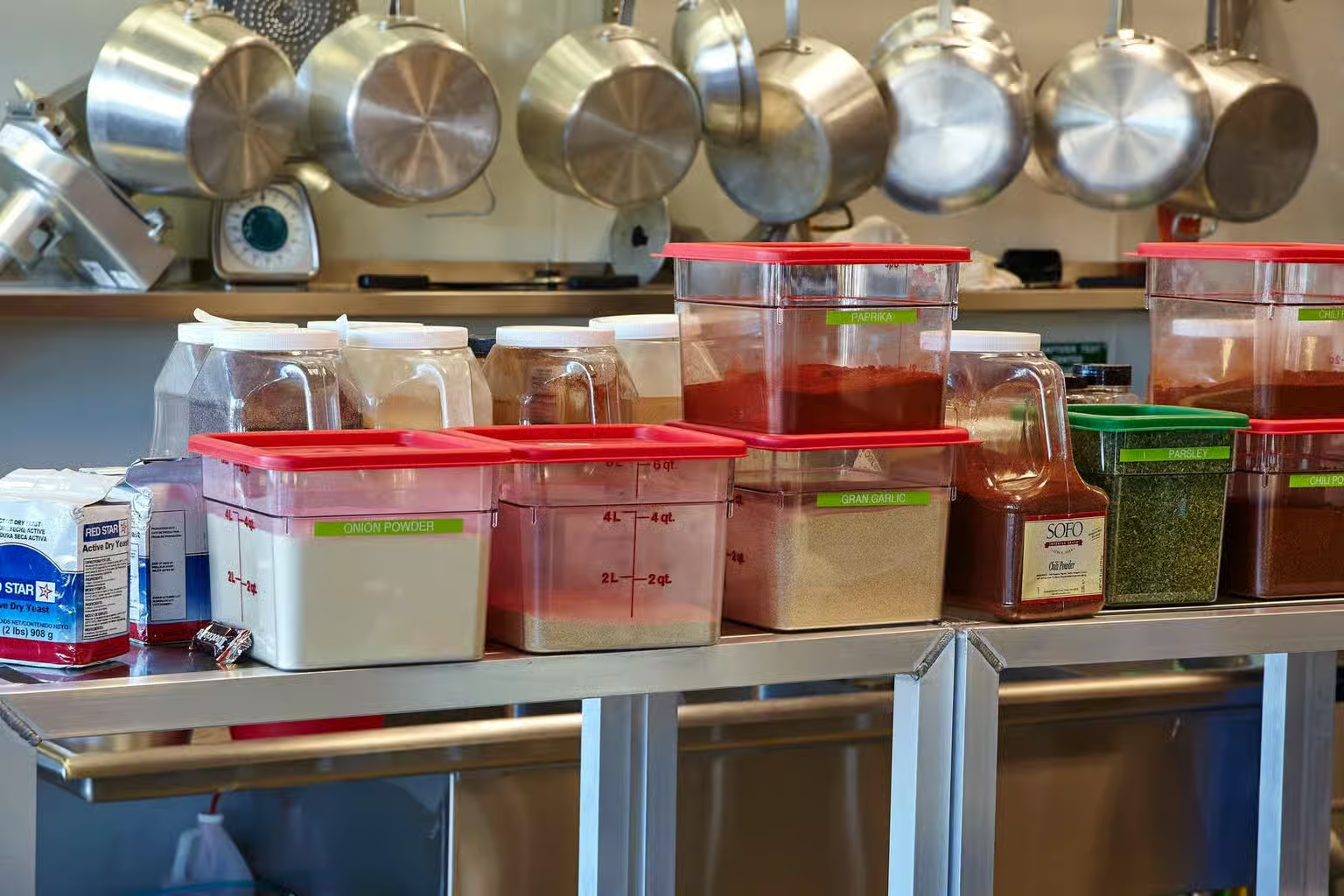
Food safety is a critical concern for both consumers and businesses in the food industry. The proper storage of food plays a pivotal role in minimizing health risks associated with foodborne illnesses. When foods are stored correctly, it not only preserves their nutritional value but also reduces the likelihood of contamination by harmful bacteria, viruses, and other pathogens.
One of the primary aspects of safe food storage is maintaining appropriate temperatures. Cold storage is essential for perishable items such as dairy products, meats, and certain fruits and vegetables. Refrigerators should be set at or below 40°F (4°C), while freezers should be maintained at 0°F (-18°C) or lower. These temperatures inhibit the growth of most bacteria that can cause food spoilage or illness. On the other hand, dry goods like grains and canned foods should be kept in a cool, dry place to prevent mold growth and pest infestation.
Another crucial factor in Safe food storage is proper organization within storage spaces. Foods should be arranged in a manner that prevents cross-contamination — raw meats must always be stored separately from ready-to-eat foods to avoid any transfer of harmful bacteria such as Salmonella or E.coli. Additionally, using airtight containers can help protect against pests and moisture while preserving flavors and textures.
Labeling is an often-overlooked aspect that significantly contributes to food safety during storage. Clearly marking containers with dates helps ensure that older items are used first (a principle known as “first-in-first-out”), reducing waste and preventing consumption of expired products which may harbor dangerous microorganisms.
Furthermore, understanding the shelf life of various foods aids in maintaining their safety over time. While some items like honey have an indefinite shelf life due to natural preservatives, others require more careful attention to expiry dates to ensure they remain safe for consumption.
Regular cleaning routines for refrigerators, pantries, and other storage areas are essential practices that support long-term food safety efforts. Spills should be promptly cleaned up to prevent bacterial growth or attraction of pests; shelves need periodic sanitization to eliminate lingering germs.
Education on safe handling practices complements these physical measures — knowing how different types of foods react under certain conditions enables individuals to make informed decisions about how best to store them safely.
In conclusion, correct safe food storage significantly reduces potential health risks by effectively managing factors like temperature control, organization methods, labeling procedures along with regular maintenance routines within all types of storage environments whether domestic kitchens or commercial facilities alike—ultimately contributing towards enhanced public health outcomes through minimized incidences related directly back towards improper handling/storage techniques previously overlooked before awareness increased around this topic area today globally speaking!