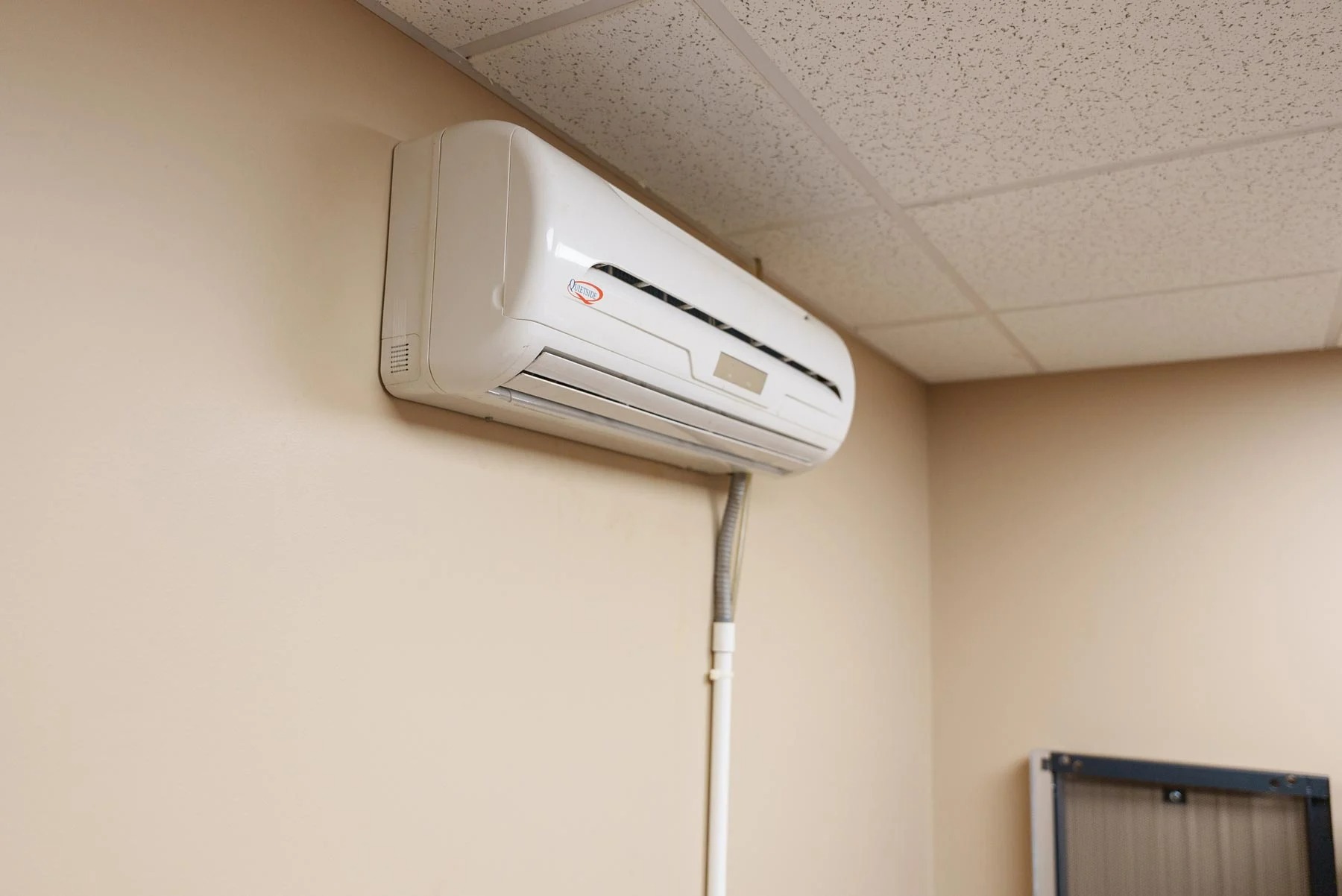
Proper maintenance of a mini split air conditioning system is essential to ensure its efficiency, longevity, and reliable performance. Owners should adopt a regular maintenance routine that addresses both the indoor and outdoor units of the system. The first step involves inspecting and cleaning the air filters located in the indoor unit. These filters trap dust, pollen, and other airborne particles, which can accumulate over time and restrict airflow. Cleaning them every two weeks during peak usage seasons helps maintain optimal air quality and system efficiency. If filters appear damaged or excessively worn out, replacing them promptly is advisable.
Next, attention should be given to the evaporator coils inside the indoor unit. Dust buildup on these coils reduces heat exchange efficiency and forces the system to work harder than necessary. Gently wiping or vacuuming these coils with a soft brush attachment can remove debris without causing damage. It is important to power off the unit before performing any cleaning tasks for safety reasons.
The outdoor condenser unit also requires periodic inspection to prevent issues caused by dirt, leaves, or other obstructions blocking airflow around it. Clearing away vegetation or debris from at least two feet around this unit ensures proper ventilation and cooling capacity. Additionally, checking for bent fins on the condenser coil is beneficial since these can impede airflow; carefully straightening them with a fin comb restores normal operation.
Checking refrigerant levels is another critical aspect of mini split ac upkeep that typically requires professional assistance due to specialized tools needed for accurate measurement and handling of refrigerants safely. Low refrigerant levels often indicate leaks that must be diagnosed and repaired promptly by certified technicians to avoid further damage or reduced cooling performance.
Owners should also verify that all electrical connections are secure within both units as loose wiring may cause intermittent operation or complete failure over time. Visual inspection combined with tightening terminals when necessary prevents unexpected breakdowns.
Drainage systems in mini splits are designed to remove condensation efficiently; however, blockages can lead to water leakage indoors or mold growth inside components if left unaddressed. Regularly examining drain lines for clogs using mild solutions like vinegar followed by flushing with water keeps drainage clear.
Finally, scheduling annual professional inspections allows experts to perform comprehensive diagnostics including motor lubrication where applicable, thermostat calibration checks, overall system pressure tests, as well as identifying potential problems early before they escalate into costly repairs.
Adhering consistently to this maintenance checklist will help owners enjoy comfortable indoor environments while maximizing their mini split AC’s lifespan through efficient operation year after year.